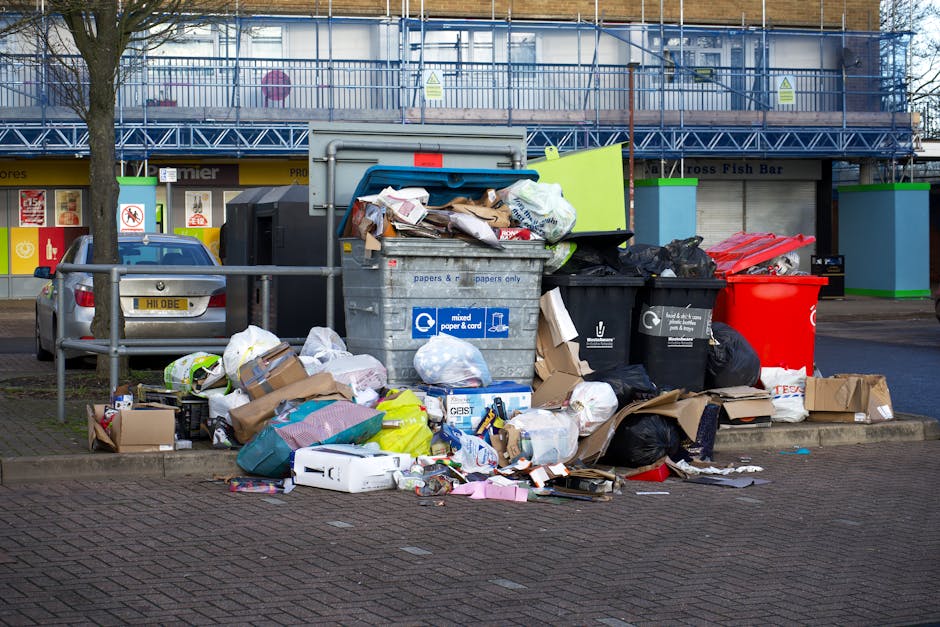
Southfields rubbish collection guide for Replingham Road homes
If you live on Replingham Road, rubbish has a habit of building up faster than you expect. One weekend it is a broken chair, a tired mattress, a few bags from the loft, and suddenly the hallway feels smaller than it should. This Southfields rubbish collection guide for Replingham Road homes is here to make the whole thing simpler, calmer, and far less messy.
We will walk through how rubbish collection works in a local Southfields setting, what kinds of waste tend to crop up in homes on streets like Replingham Road, how to choose the right removal method, and what to avoid if you want a smooth, compliant job. There is also a checklist, a comparison table, and a few practical examples from real home clearances. Nothing fluffy. Just the useful stuff.
Table of Contents
- Why Southfields rubbish collection guide for Replingham Road homes Matters
- How Southfields rubbish collection guide for Replingham Road homes Works
- Key Benefits and Practical Advantages
- Who This Is For and When It Makes Sense
- Step-by-Step Guidance
- Expert Tips for Better Results
- Common Mistakes to Avoid
- Tools, Resources and Recommendations
- Law, Compliance, Standards, or Best Practice
- Options, Methods, or Comparison Table
- Case Study or Real-World Example
- Practical Checklist
- Conclusion
- Frequently Asked Questions
Why Southfields rubbish collection guide for Replingham Road homes Matters
Replingham Road homes are often a mix of busy family houses, flats, older properties, and places that have picked up years of "we'll deal with that later" storage. That makes rubbish collection more than a tidy-up job. It affects safety, access, neighbours, time, and even how easy it is to use your rooms properly.
In a street with real day-to-day movement, awkward waste can become a nuisance quickly. A sofa waiting in a front room, builder's rubble in the porch, or a stack of old boxes in a narrow hallway creates friction. You notice it every time you pass. Guests notice it too. And if you are juggling work, children, or a renovation, the clutter can drain energy in a very real way.
There is another side as well: not every item is straightforward. Some waste can be reused, some should go for recycling, and some needs careful handling because of safety or compliance. That is why a local rubbish collection plan matters. It helps you sort the easy stuff from the tricky stuff before the pile becomes annoying. Or expensive. Usually both.
Expert summary: the best rubbish collection approach for Replingham Road homes is usually the one that balances access, volume, sorting, timing, and disposal rules without overcomplicating the job.
How Southfields rubbish collection guide for Replingham Road homes Works
At a practical level, rubbish collection is about matching the waste you have with the right removal method. For some households, that means a few bulky items removed in one visit. For others, it means a fuller home clearance after a move, a refurbishment, or a long-overdue declutter.
Most household rubbish collection jobs follow a similar pattern:
- You identify what needs to go, including bulky items, mixed household waste, or specialist materials.
- You decide whether the waste is suitable for collection, recycling, donation, or separate handling.
- You book a collection method that fits the amount and type of waste.
- The items are loaded safely, with attention to access, stairs, narrow entrances, and neighbours.
- The waste is sorted and dealt with responsibly after collection.
If you are comparing options, it helps to think in terms of effort and urgency. A small load might be handled with a simple waste removal visit. A loft full of old belongings may be better suited to loft clearance or broader home clearance. A full move-out can call for house clearance. Different jobs, different rhythm.
Truth be told, people often underestimate access. Replingham Road properties can be lovely, but stairwells, tight hallways, shared entrances, and parking realities all affect timing. The collection method should fit the home, not the other way round.
Key Benefits and Practical Advantages
A proper rubbish collection plan is not just about getting rid of things. It gives you a better outcome across the whole household.
- More space: Clearing rubbish can instantly make rooms feel calmer and more usable.
- Less stress: The visual noise of clutter disappears, and that helps more than people expect.
- Safer movement: Removing loose items reduces trip hazards, blocked exits, and awkward lifting.
- Better sorting: Recycling, reuse, and disposal can be handled more sensibly when the load is planned in advance.
- Faster projects: Decorating, moving, and renovating all run more smoothly when rubbish is out of the way.
- Neighbour-friendly: A quick, tidy removal is easier on shared spaces and parking than leaving waste sitting around.
There is also a quieter benefit that is easy to miss. Once the rubbish is gone, the room tells you what it wants to be. A spare room becomes a proper workspace. A garage becomes storage again. A living room stops feeling like a holding bay for everything that has no home. Small shift, big relief.
If you are dealing with mixed items, it may help to look at broader support options such as waste removal, furniture disposal, or furniture clearance depending on what is actually in the pile.
Who This Is For and When It Makes Sense
This guide is useful for a surprisingly wide range of Replingham Road homes. You might be in the middle of a move. You might be clearing a loft that has not been opened properly since before the last boiler service. Or you might simply be at that stage where the back corner of the house has become a storage myth.
It makes sense if you are:
- Clearing out after a tenancy change or sale
- Dealing with bulky domestic waste in a flat or maisonette
- Getting rid of old furniture, white goods, or mattresses
- Preparing for decorators or builders
- Sorting a garage, loft, shed, or spare room
- Helping a relative downsize
- Trying to avoid multiple trips to disposal points
It is especially useful for homes where access is not effortless. If you live on an upper floor, share a hallway, or have limited outside space, a well-planned collection can save a lot of carrying and guesswork. And let's face it, nobody wants to drag a wardrobe halfway down a staircase only to realise it will not fit through the front door anyway.
For flats or smaller homes, flat clearance can be a better fit than trying to manage everything alone. If the job is more about specific items, a focused service like mattress and sofa disposal can keep things lean and efficient.
Step-by-Step Guidance
Here is the most practical way to handle rubbish collection for a Replingham Road home without turning it into an all-day drama.
1. Walk through the property slowly
Start room by room. Be strict. If an item is damaged, broken, obsolete, or just sitting there taking up space, decide whether it is truly worth keeping. Half-decisions are what create piles that last for months.
2. Separate waste by type
Group items into clear categories:
- General household rubbish
- Bulky furniture
- Electrical items and appliances
- Garden waste
- Builder's waste or renovation debris
- Items that may need special handling
This makes collection quicker and helps avoid awkward surprises on the day. If you have renovation material mixed in with domestic clutter, you may need builders waste clearance rather than a standard household pickup.
3. Check for items that need extra care
Fridges, freezers, certain chemicals, paint tins, and other potentially hazardous materials should not be treated like ordinary rubbish. If something seems uncertain, stop and verify before loading it with everything else. A minute of caution is worth it.
4. Measure awkward items
Big wardrobes, desks, and appliances can become access problems even when they look manageable in the room. Measure doorways, stair turns, and any tight bends. You do not need a full survey; just enough to avoid the classic "that was a bad idea" moment.
5. Choose the right collection method
Use the waste type and volume to guide your choice. A small, straightforward load may only need a single removal. A bigger project may justify a more comprehensive house clearance or home clearance. If you are not sure, pricing support can help you compare options before you commit.
6. Prepare access routes
Clear the path from the waste area to the exit. Open gates if needed. Move fragile items out of the way. If there is parking or access complexity, sort that out before the team arrives. It keeps the whole thing calm, which is underrated.
7. Confirm the final sweep
Before the load goes, take one last look. Sometimes a bag of mixed bits or a small appliance gets left behind because it was tucked in a corner. One final scan saves a second job later.
Expert Tips for Better Results
After enough household clearances, a few patterns become obvious. The jobs that run well are not always the smallest ones. They are the ones that were thought through properly.
- Start with the hardest item first. If you can move the bulky thing safely, the rest feels easier immediately.
- Keep recyclables separate where possible. It makes sorting cleaner and often more efficient.
- Do not leave everything until collection morning. That is how people end up in a rush, and rushing is when mistakes happen.
- Use labels if the pile is mixed. Even simple notes like "keep", "donate", and "remove" can stop second-guessing.
- Be realistic about lifting. If something is too heavy or awkward, it is too heavy or awkward. No shame in that.
- Think about the next use of the space. If the goal is a cleaner spare room or a workable home office, clear only what serves that result.
One small local observation: a lot of Replingham Road households do better when the clear-out is done in one defined burst rather than spread over several half-finished weekends. There is a difference between a tidy project and a forever project. One of them actually ends.
If you are storing items in a garage or loft, services such as garage clearance and loft clearance are often the most sensible way to regain space without unnecessary lifting and sorting.
Common Mistakes to Avoid
The main mistakes are usually practical, not dramatic. Still, they can make a simple rubbish collection harder than it needs to be.
- Mixing everything together: Furniture, rubble, cardboard, and special items all thrown in one pile slow everything down.
- Ignoring access: Stairs, narrow landings, locked gates, and parked cars can create avoidable delays.
- Underestimating volume: People often say "it is only a few bags" and then discover a whole room's worth of stuff.
- Forgetting specialist items: Fridges, mattresses, and appliances need the right handling.
- Leaving the sort-out until the last minute: This usually leads to panic decisions and wasted time.
- Assuming every item can be treated the same: It cannot. Not really.
Another common issue is keeping broken furniture "just in case". The spare chair that no one sits on, the old desk with a wobble, the mattress that should have gone years ago. You know the ones. They are not storage. They are liabilities with upholstery.
For appliance-heavy jobs, look at fridge and appliance removal. For larger household items, mattress and sofa disposal is often the cleanest route.
Tools, Resources and Recommendations
You do not need a shed full of tools to organise a rubbish collection, but a few simple things help a lot.
- Gloves: Useful for dusty loft items, sharp packaging edges, and general handling.
- Strong bin bags or sacks: Good for loose rubbish, small offcuts, and mixed household waste.
- Marker pens and tape: Handy for labelling items to keep, move, or remove.
- A tape measure: Essential for large furniture and access checks.
- Phone torch: Surprisingly useful in lofts, cupboards, and under-stair storage.
- Old sheet or blanket: Can protect floors and help move dusty items more cleanly.
On the planning side, these pages can help you make better choices before booking anything:
- pricing and quotes if you want a clearer view of the likely cost structure
- recycling and sustainability if you want to understand what happens after collection
- what can go in a skip if you are weighing collection against skip-style disposal
A small but useful recommendation: keep a separate corner for items that are not yet decided. That sounds obvious, but it prevents the whole house from becoming one giant "sort later" zone.
Law, Compliance, Standards, or Best Practice
When rubbish collection involves disposal, transport, or sorting, compliance matters. The exact duties depend on what the waste is and how it is handled, but the general best practice is simple: waste should be managed responsibly, safely, and in a way that avoids unnecessary harm.
For householders, the practical part is making sure hazardous or specialist items are not mixed in with ordinary rubbish. For anyone organising a clearance, it is sensible to ask how items will be handled, especially if the load includes electrical items, fridges, confidential papers, or materials that could present a risk.
It is also wise to expect safe manual handling, clear communication, and proper insurance and safety arrangements. If a team is lifting bulky items in tight spaces, you want calm methods, not guesswork. Quiet professionalism matters here.
Useful best-practice pages to review before booking include health and safety policy, insurance and safety, and hazardous waste disposal. If you are dealing with documents rather than bulky rubbish, confidential shredding is a more sensible route than simply binning paperwork.
In practice, good compliance is mostly about common sense done carefully. Not glamorous, but very effective.
Options, Methods, or Comparison Table
Choosing the right rubbish solution usually comes down to volume, item type, access, and how much lifting you want to do yourself.
| Method | Best for | Strengths | Watch-outs |
|---|---|---|---|
| Bag-and-carry self-clear | Small amounts of light household waste | Low complexity, flexible timing | Labour-heavy, time-consuming, not ideal for bulky items |
| Targeted item removal | Sofas, mattresses, appliances, single bulky items | Quick, focused, less disruption | Not efficient for larger mixed loads |
| Home or house clearance | Multiple rooms, moves, downsizing, full clear-outs | Comprehensive, efficient, suitable for bigger jobs | Needs better planning and access preparation |
| Builders waste clearance | Renovation debris, rubble, mixed construction waste | Handles heavier, dirtier loads properly | Not the right choice for normal household clutter alone |
| Skip-style disposal | Projects with steady waste over time | Good for ongoing work and larger volumes | Space and loading rules can be awkward for some homes |
If you are uncertain, ask yourself a straightforward question: am I clearing a few items, or am I changing how a room functions? That answer usually points to the right method. A tiny bit of honesty saves a lot of rebooking.
Case Study or Real-World Example
A Replingham Road household recently faced a fairly typical job: an overfilled spare room, an old sofa, a broken bedside cabinet, and several boxes from the loft that had been ignored for years. Nothing extreme. Just a lot of things gathered quietly over time.
The family started by separating items into three groups: keep, donate, remove. They then measured the sofa, checked the stair turn, and cleared a route from the front room to the door. Good call. The tight bit was not the waste itself, but the narrow landing where everything had to turn.
On the day, the items were removed in stages. The sofa went first, because it was the largest and most awkward. The smaller rubbish followed, and the loft boxes were checked again before leaving anything behind. The room looked different within an hour. Not perfect, not styled, just usable. That mattered most.
The family's main takeaway was simple: the room had not been full because of one big project. It had been full because of lots of tiny delays. A broken chair here, a duplicate lamp there, a box marked "misc". Classic. Once they acted decisively, the room became part of the home again rather than a storage afterthought.
That is the real value of sensible rubbish collection on streets like Replingham Road. It gives you your space back without making the day harder than necessary.
Practical Checklist
Use this before booking or loading anything up.
- Walk through every room and identify what is genuinely going
- Separate bulky items, general rubbish, appliances, and special waste
- Measure large furniture and check access points
- Decide whether the job is small, medium, or full clearance
- Set aside anything that may need specialist handling
- Clear a safe route to the exit
- Remove anything you want to keep from mixed piles
- Confirm where parking or loading access may be needed
- Check whether the job would be better handled as home, house, loft, garage, or furniture clearance
- Make sure you understand pricing, payment, and what happens after collection
If the job includes multiple item types, it is often worth reviewing business waste removal for mixed-use premises, or office clearance where a home workspace has become overloaded with desks, files, and old equipment.
Conclusion
A sensible rubbish collection plan for Replingham Road homes is really about clarity. Know what you have, choose the right removal route, prepare access properly, and keep safety and sorting in mind. Do that, and the job tends to feel much lighter than expected.
The best results usually come from a simple formula: remove what you no longer need, recycle what can be reused, and avoid making the process harder than it has to be. That is the whole trick, more or less.
If you are planning a clear-out, a move, or a much-needed reset of the space, take the next step with confidence and make the job easier from the start.
Get a free quote today and see how much you can save.
Frequently Asked Questions
What counts as rubbish collection for a Replingham Road home?
It usually includes general household waste, bulky items, old furniture, white goods, loft or garage clutter, and waste from decorating or light renovation work. The right method depends on the amount and type of waste.
Do I need a full house clearance if I only have a few items?
Not usually. If you only have a sofa, mattress, or a handful of bags, a smaller item-focused collection may be better. A full house clearance makes more sense when several rooms or large volumes are involved.
Can I mix furniture, bags, and renovation waste together?
Sometimes mixed loads are possible, but it is better to sort items first. Furniture, rubble, packaging, and household clutter may need different handling, and mixing everything can slow the job down.
What should I do with old fridges or appliances?
These should be handled carefully rather than left with ordinary rubbish. Dedicated appliance removal is usually the cleanest option, especially for fridges and freezers.
Is rubbish collection suitable for flats on Replingham Road?
Yes, but access planning matters more in flats. Shared entrances, stairs, and tighter spaces can affect timing, so a flat clearance or small-load removal approach is often the most practical.
How far in advance should I prepare?
For a simple collection, a day or two of preparation may be enough. For a larger clear-out, give yourself longer so you can sort items, measure bulky pieces, and avoid last-minute stress.
What is the biggest mistake people make?
Underestimating how much waste they actually have. A "few bags" often turns into a much larger job once cupboards, lofts, and storage areas are checked properly.
Can rubbish collection help before a move?
Absolutely. Clearing unwanted items before moving can save time, reduce packing, and make the new place feel more organised from day one. It is one of the most satisfying times to do it, to be fair.
What if I have items that might be hazardous?
Do not mix them in with ordinary waste. If you are unsure, separate the item and check whether it needs specialist handling. Hazardous materials should always be treated with extra care.
How do I decide between waste removal and skip-style disposal?
If you want a one-off collection with less lifting, waste removal is often easier. If the waste is generated gradually during a project, a skip-style option may suit better. The best choice depends on access, volume, and how quickly you want the area cleared.
Is it worth sorting items for recycling before collection?
Yes, if you can do it without making the job awkward. Sorting helps the process run more smoothly and makes it easier for recyclable materials to be handled appropriately.
Can I book a collection for just one bulky item?
Yes, and that is often the smartest approach. One sofa, one mattress, or one appliance does not need a big clear-out. It just needs the right service for that single job.
For more about the company's approach, you can also review about us, check the payment and security information, or read the terms and conditions before you book. If you want to explore responsible disposal further, recycling and sustainability is worth a look too.
When the clutter is gone, the room breathes again. That part never gets old.